
The Hidden Wonders of a Kenyan Safari
The safari most people remember is not only the one with the biggest sighting. It is the one that slows down enough to notice the light, the silence, the stories, and the landscapes in between.
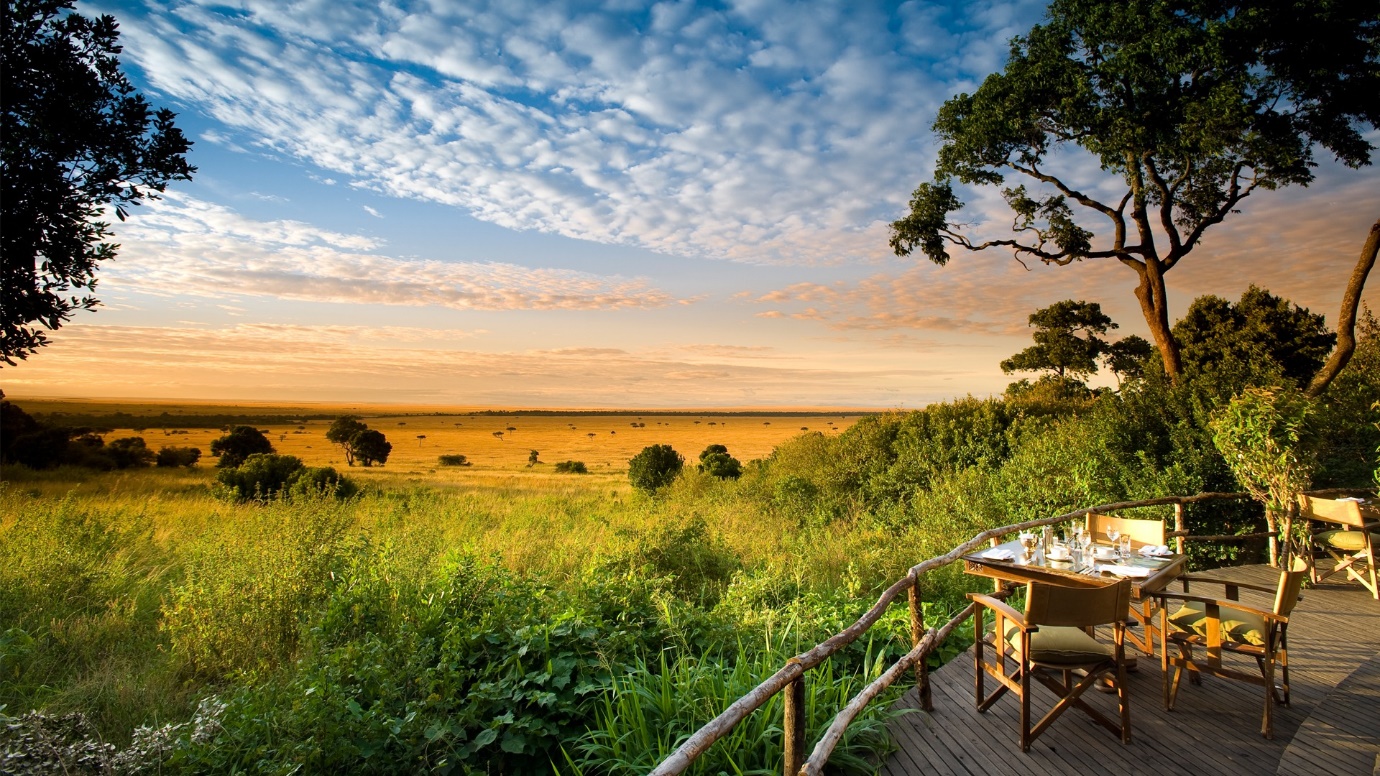
Most first-time travelers arrive in Kenya expecting movement all the time: lions in the open, herds on the horizon, one dramatic moment after another. And yes, Kenya can deliver that. But the safari that stays with you is usually quieter.
It is the hush before sunrise in Amboseli. It is the way Maasai Mara starts to feel less like a spectacle and more like a living system once you stop chasing a checklist. It is the long, open pull of Tsavo, where space itself becomes part of the experience.
This is the side of Kenya many travelers miss, not because it is hidden, but because they move too quickly to feel it.
The moments that do not announce themselves
A safari becomes more interesting the moment you stop treating it like a race.
|
|
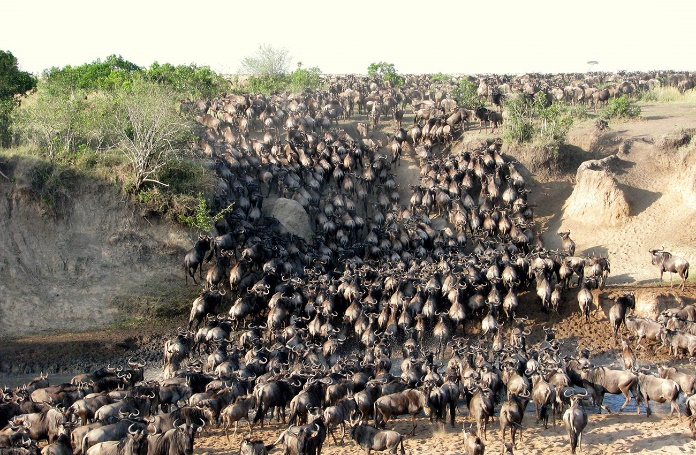
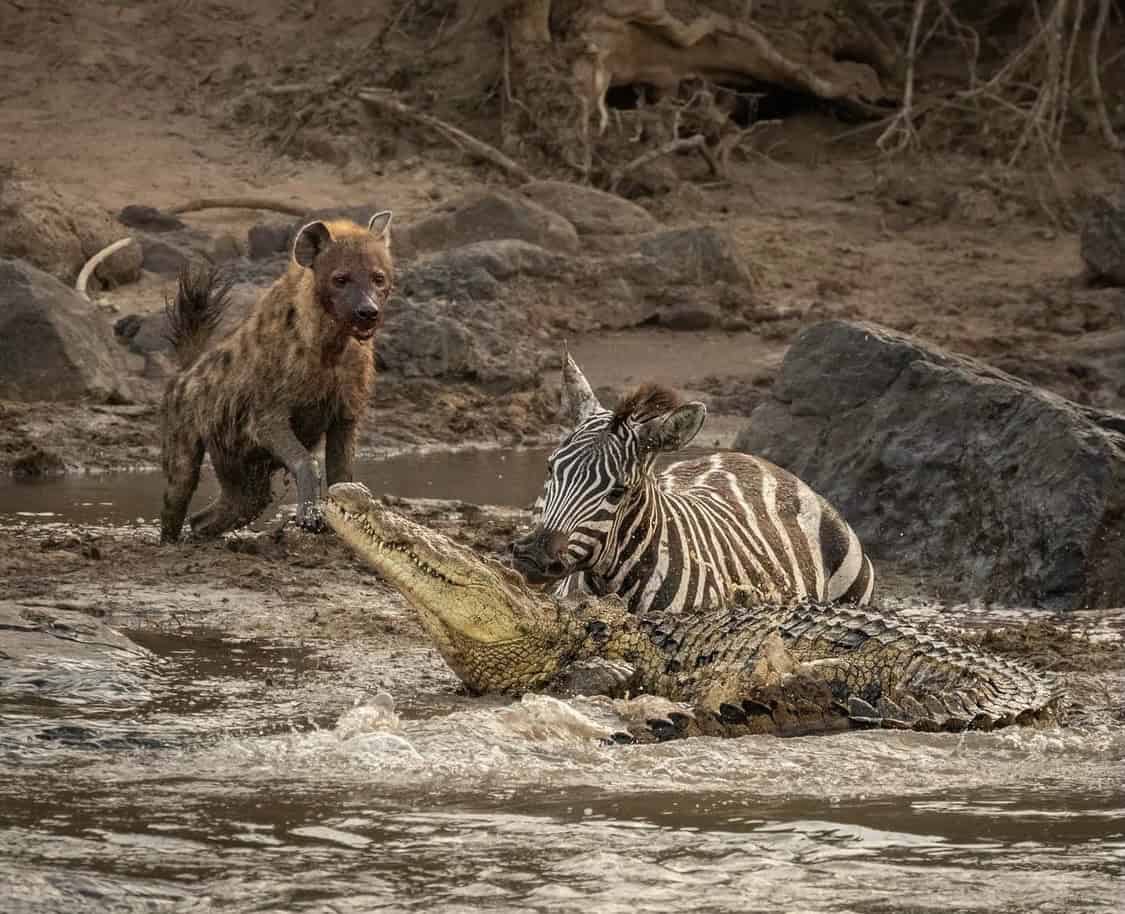
At first, your eyes only look for the obvious. A cat. A chase. A river crossing. Something worth pointing out immediately.
Then, if you stay out long enough, your pace changes. You begin to notice smaller signals: the pattern of tracks pressed into dust, the way birds lift all at once, the way the grass leans before the wind reaches you.
That is when Maasai Mara starts to feel different. The reserve is famous for big moments, but its real power is rhythm. The wild rarely feels random here. It feels timed.
A better safari is not always a busier safari. Often, it is the one where you learn how to watch.
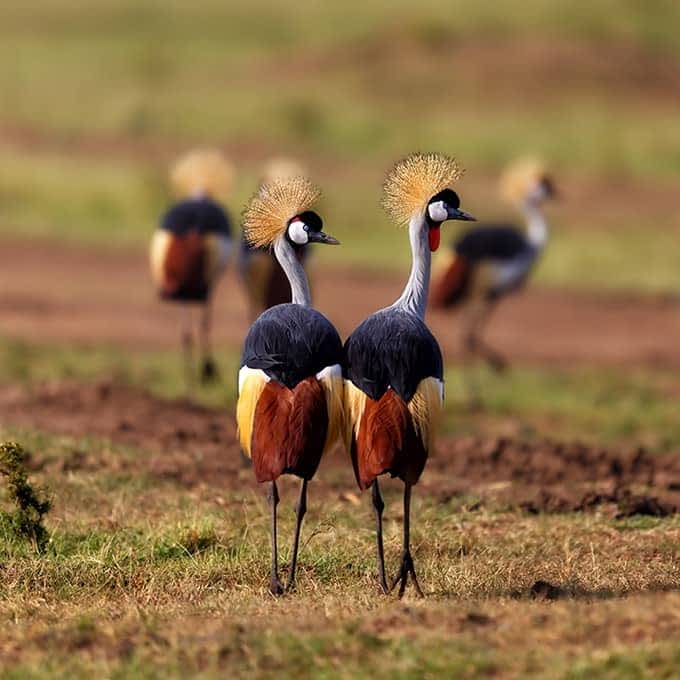
Light changes the whole safari
Morning and evening do more than make the landscape beautiful. They completely change how it feels.
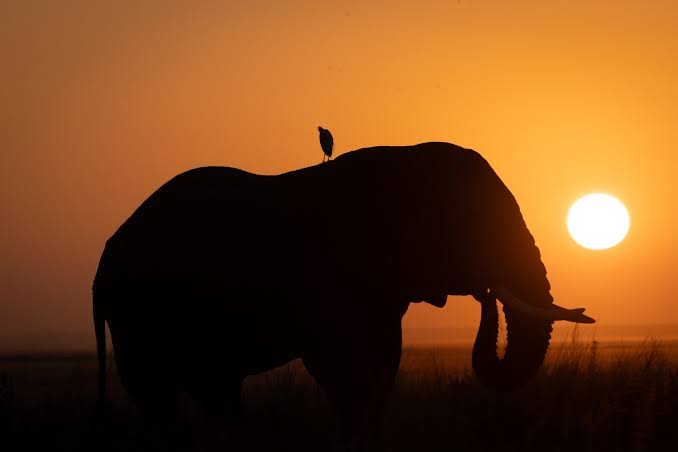
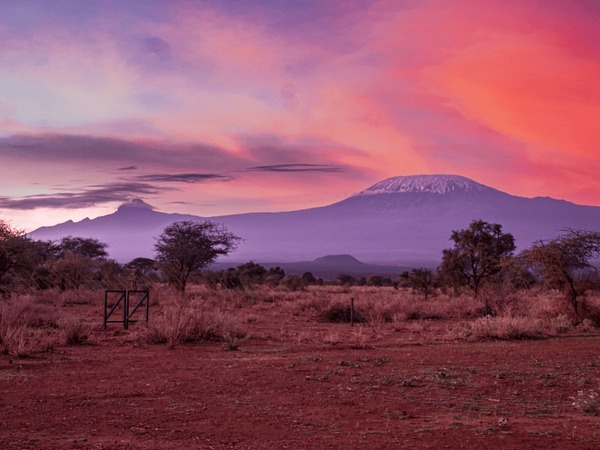
In Amboseli, morning starts slowly. The air is cool, the colors are restrained, and Kilimanjaro seems to appear rather than arrive. Because the plains are so open, even distant animals feel clear and deliberate.
That is one reason Amboseli photographs so beautifully, but the real magic is not only visual. It is atmospheric. The park gives you room to feel the scale of the land and the presence of the elephant herds moving through it.
By evening, everything changes again. Shadows lengthen, distances become harder to read, and familiar routes suddenly feel different. The same drive can carry one mood at dawn and a completely different one at dusk.
The stories that change what you are looking at
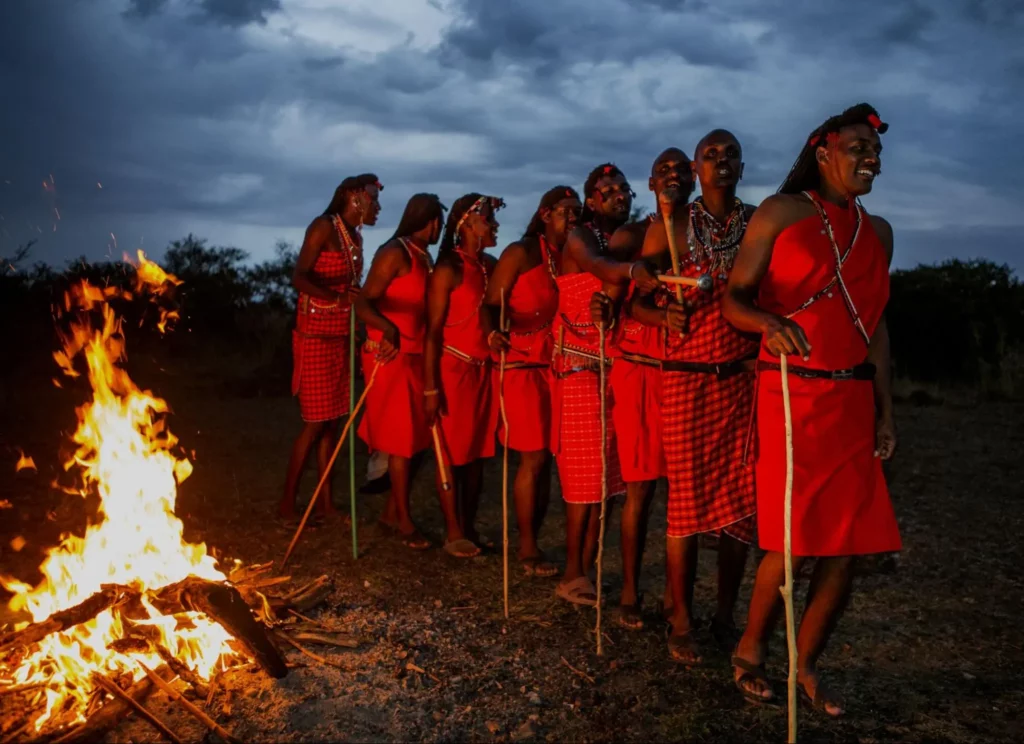
The best guides do not only point at wildlife. They explain behavior, memory, and meaning.
Most visitors begin with the same questions: Where can we see lions? Are there cheetahs here? What time do animals come out?
Those questions are understandable, but they rarely lead to the richest part of the experience. The more useful questions are about tracks, silence, weather, movement, and what changed after the last rain.
That is where local knowledge becomes powerful. A guide who knows the land well can read a drive almost like a conversation: a break in bird calls, fresh marks on the road, an old path animals have started using again.
Questions worth asking on a game drive
- What changed here after the last rains?
- What signs tell you an animal moved through recently?
- Which birds or sounds make you pay attention?
- Where does the landscape feel different in the morning than it does in the evening?
The places that feel wider than the map
Quieter parks can make a safari feel less staged and far more personal.
|
|
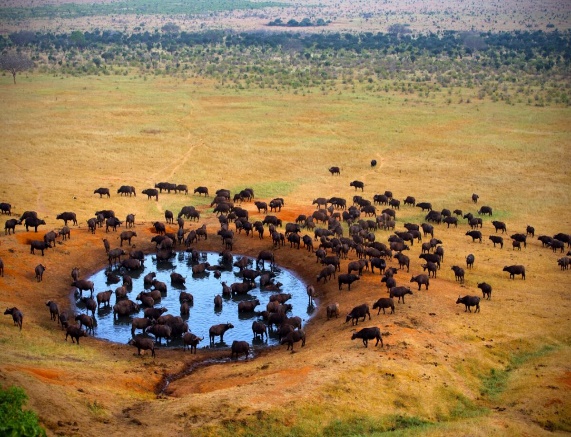
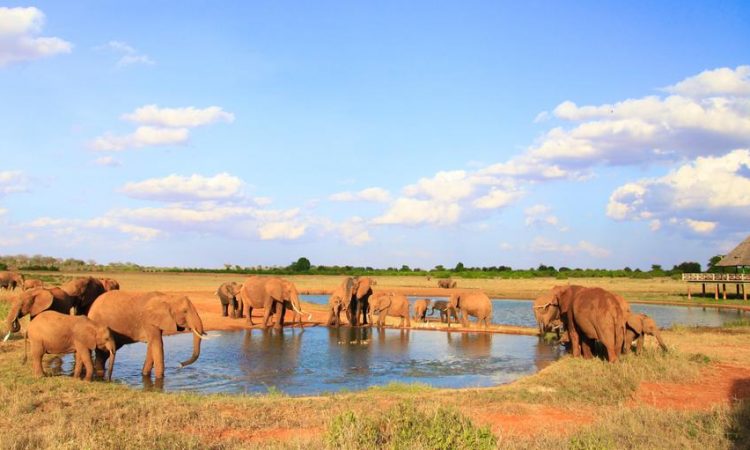
Tsavo has a different energy from the more heavily photographed parts of Kenya. It feels broader, rougher, and less eager to impress you on command.
That is exactly why it lingers in the mind. You are not measuring every minute against a headline sighting. You are noticing the red earth, the long road, the silence between animal calls, and the feeling that the landscape does not need to perform for you.
When people talk about wanting a safari that feels more exclusive, they often mean fewer vehicles. But what many of them really want is something deeper: more room, more patience, and a stronger sense that the land still belongs to itself.
How to make a Kenyan safari feel richer
A more memorable safari usually comes from better pacing, not more rushing.
Stay longer in fewer places
Two or three deeper nights in one ecosystem usually give you a stronger story than trying to collect too many parks in one trip.
Give sunrise and sunset equal weight
Some of the best drives are not about animal density. They are about mood, movement, and how the land shifts in different light.
Ask for behavior, not just sightings
Knowing why something is happening makes the experience far more engaging than simply ticking a species off a list.
Leave one drive unscripted
Keep at least one game drive loose and slow. The space to wander often produces the moments people remember most.
What stays with you after Kenya
The hidden wonder of a Kenyan safari is not only the wildlife. It is the feeling of stepping into a landscape that already has its own memory, pace, and logic.
When the trip is planned well, you do not leave with only photos. You leave with sharper attention, better questions, and the sense that the wild is not a performance at all. It is a system you were lucky enough to witness for a little while.